
Why Investing in Senior Services Franchise Matters to You

Senior Services Franchises: The Financial and Personal Rewards of Owning a Business That Truly Matters
Key Takeaways
- The senior care industry is projected to exceed $225 billion by 2030, with home health aide jobs growing over 25% through 2032.
- Initial franchise fees typically range from $40,000 to $80,000, with total startup costs between $100,000 and $300,000.
- Well-run senior care franchises often reach profitability within 12 to 24 months.
- Choosing the right franchise involves reviewing the Franchise Disclosure Document (FDD), understanding territory rights, and evaluating franchisor support.
- Owning a senior services franchise offers both financial rewards and deep personal fulfillment by positively impacting seniors and communities.
Financial Rewards of Senior Care Franchises

- Initial Investment Costs: Initial franchise fees typically range from $40,000 to $80,000, with total startup costs—including equipment, training, and marketing—ranging from $100,000 to $300,000, depending on the franchise model and location.
- Potential Returns on Investment: Many franchise owners report annual revenues exceeding $1 million, with profit margins commonly between 10% and 20%. Royalty fees usually range from 5% to 8% of gross revenue.
- Time to Profitability: Well-managed senior care franchises often achieve profitability within 12 to 24 months, benefiting from steady client demand and recurring revenue streams.
Franchise Financing Options
Franchise Training Programs
Personal Rewards and Community Impact
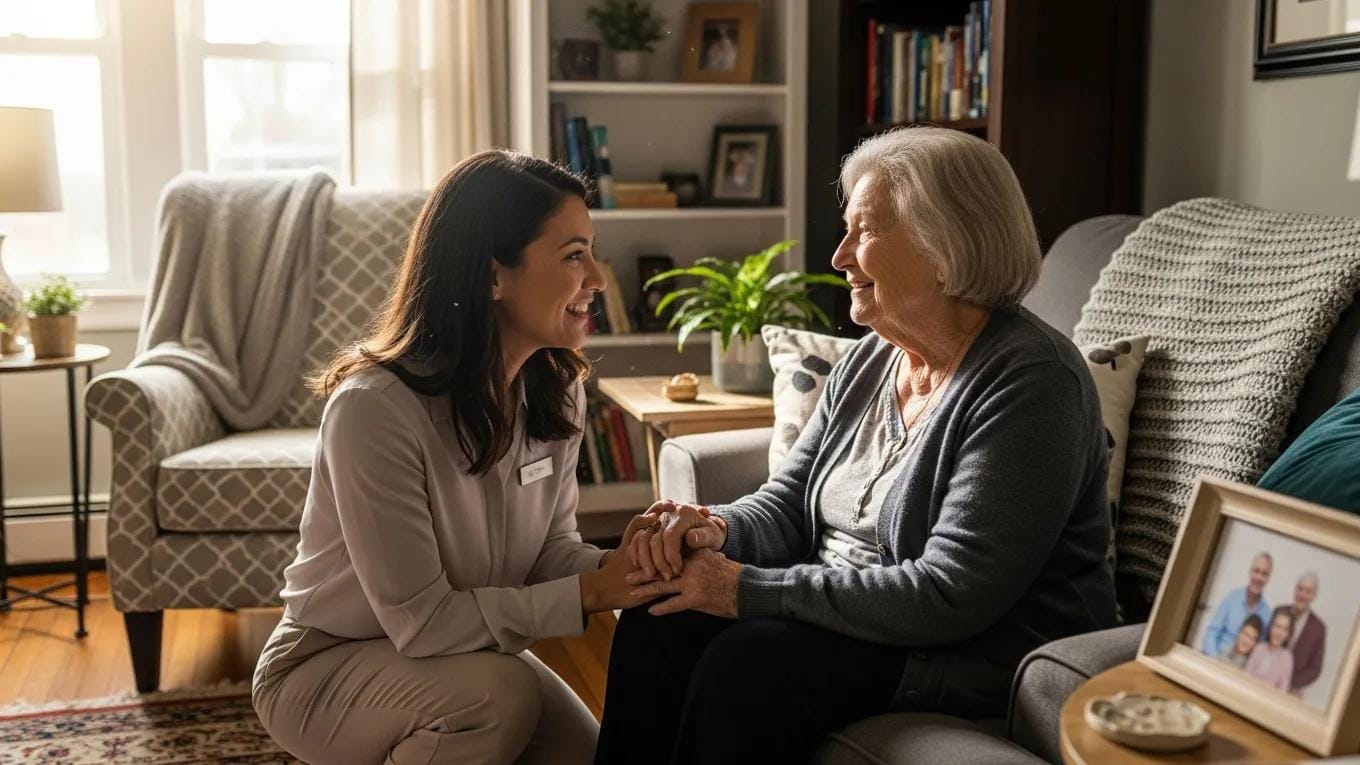
Social Franchise Benefits: Revenue & Social Impact
Emerging evidence shows that social franchises in healthcare and senior services deliver cost-effective, high-quality care while fostering strong community ties. Providers often cite access to quality resources and a sense of social responsibility as key reasons for joining franchise networks.
International Franchise Association, 2023 Industry Report
- Personal Fulfillment from Helping Others: Many franchise owners find deep satisfaction in providing essential services that improve the quality of life for seniors and their families.
- Community Engagement and Support: Senior care franchises often become integral parts of their communities, fostering relationships and support networks that benefit both clients and franchise owners.
- Building Relationships with Clients: The personal connections formed with clients can be rewarding, as franchise owners witness the positive changes they bring to seniors' lives.
The Deep Personal Satisfaction of Giving Back to the Generation That Raised Us
Honoring a Legacy of Sacrifice and Community
The Ripple Effect: Building Stronger Communities Together
Top Senior Services Franchise Opportunities to Consider
| Franchise Category | Investment Tier | Typical Investment Range | Key Differentiators |
|---|---|---|---|
| Non-Medical Home Care | Entry-Level | $100,000 – $150,000 | Focus on companionship, personal care, strong training, smaller territories, and lower startup costs |
| Skilled Nursing Support | Mid-Range | $150,000 – $250,000 | Includes medical support services; requires more specialized training; larger territories; higher revenue potential |
| Companion Care Services | Entry to Mid-Range | $100,000 – $200,000 | Emphasis on social engagement and daily living assistance; flexible service models; moderate support |
| Senior Placement and Advisory Services | Premium | $250,000+ | High-touch consulting; extensive training and marketing support; exclusive territories; high revenue potential |
Is a Senior Services Franchise Right for You?
- No prior healthcare experience required—franchise training programs provide the necessary skills.
- Passion for helping others and making a positive community impact.
- Strong business management and leadership skills.
- Readiness to invest capital typically ranges from $100,000 to $300,000.
- Willingness to comply with regulatory requirements and franchise standards.
- Commitment to ongoing learning and operational excellence.
How to Evaluate a Senior Care Franchise
- Review the Franchise Disclosure Document (FDD): This legal document provides detailed information about fees, obligations, litigation history, and financial performance representations. Understanding the FDD is critical to assessing risks and benefits.
- Speak with Existing Franchisees: Gain firsthand insights into the franchisor’s support, operational challenges, and profitability by interviewing current owners.
- Understand Territory Rights: Clarify the exclusivity and size of your franchise territory to evaluate market potential and competition.
- Assess Franchisor Training and Support: Evaluate the quality and extent of initial and ongoing training, marketing assistance, and operational support.
Consult with a Franchise Advisor
Franchise Financing and Legal Considerations
- Types of Financing Available: Franchise owners can explore various financing options, including traditional and SBA loans, as well as alternative funding sources.
- Legal Obligations of Franchise Owners: Understanding legal responsibilities, including adherence to franchise agreements and compliance with state regulations, is critical.
- Franchise Agreements: A thorough review of the franchise agreement is necessary to understand the terms, fees, and obligations involved in operating the franchise.
Training and Support in Senior Care Franchises
- Initial Training Programs: Most franchises offer comprehensive training programs that cover essential operational aspects, marketing strategies, and customer service techniques.
- Ongoing Support and Resources: Franchisees benefit from continuous support, including access to updated training materials, marketing resources, and operational guidance.
- Mentorship Opportunities: Many franchises provide mentorship programs that connect new owners with experienced franchisees, fostering a supportive network.
Case Studies and Success Stories
- Real-Life Examples of Successful Franchise Owners: Many franchisees have built thriving businesses that positively impact their communities, demonstrating the industry's potential for success.
- Impact on Their Communities: Successful franchise owners often become community leaders, advocating for senior care and providing essential services that enhance seniors' lives.
- Lessons Learned: These case studies highlight the importance of dedication, community engagement, and a commitment to quality service in achieving success.