Why Investing in Senior Services Franchise Matters to You

Table of Contents

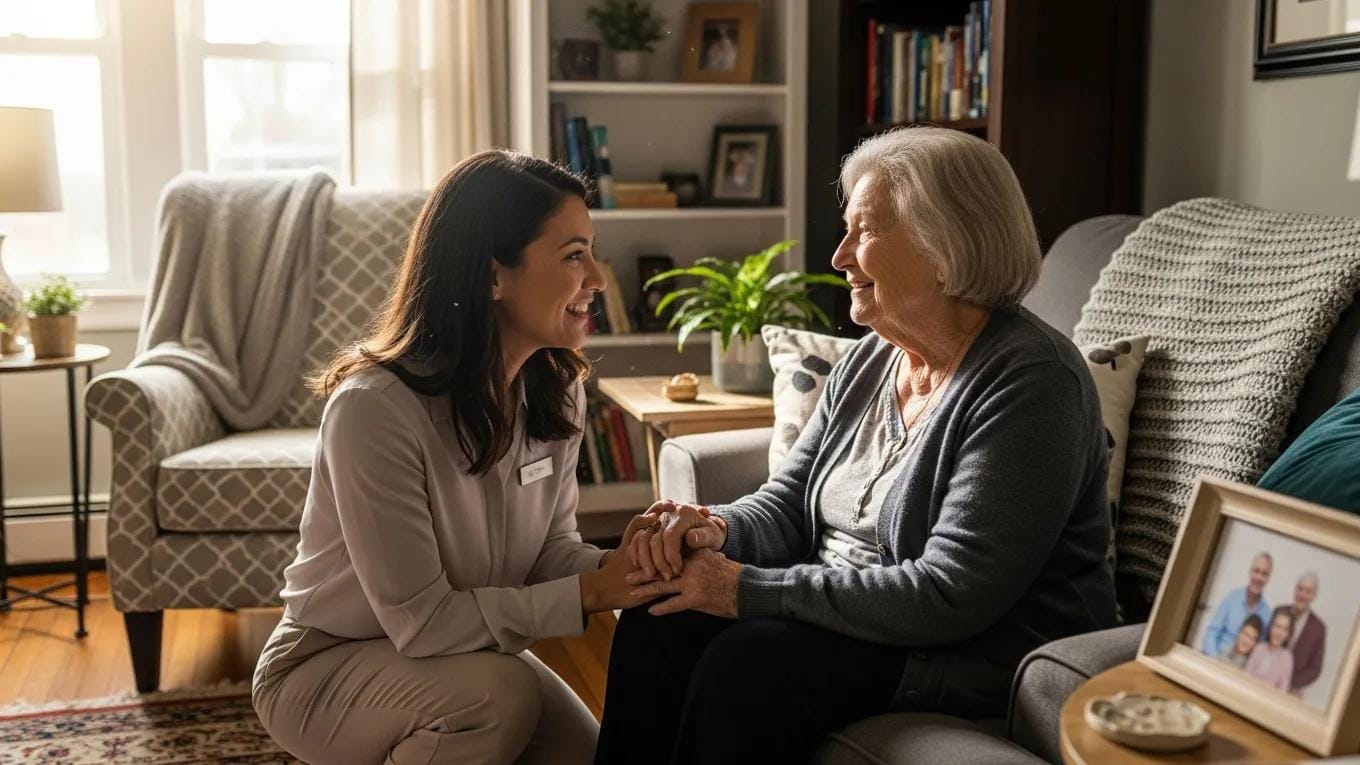
Seniors engaging in community activities, highlighting the positive impact of senior services franchises

Why Investing in Senior Services Franchise Matters to You

Senior Services Franchises: The Financial and Personal Rewards of Owning a Business That Truly Matters

Owning a senior services franchise offers a unique opportunity to blend financial success with meaningful community impact. As the population ages, the demand for senior care services continues to rise, creating a lucrative market for aspiring entrepreneurs. In our experience advising franchise buyers, this sector stands out as a stable and rewarding opportunity in senior care that combines purpose with profit. This article explores the financial and personal rewards of owning a senior services franchise, highlighting the benefits of this business model and providing actionable insights for prospective franchisees. Readers will learn about the financial aspects, personal fulfillment, and the steps to start a senior care franchise. By addressing the challenges of aging populations, this guide aims to provide insights into how owning a senior services franchise can be both a profitable and rewarding venture. For those ready to take the next step, ready to buy a franchise, resources offer valuable guidance.

Key Takeaways

  • The senior care industry is projected to exceed $225 billion by 2030, with home health aide jobs growing over 25% through 2032.
  • Initial franchise fees typically range from $40,000 to $80,000, with total startup costs between $100,000 and $300,000.
  • Well-run senior care franchises often reach profitability within 12 to 24 months.
  • Choosing the right franchise involves reviewing the Franchise Disclosure Document (FDD), understanding territory rights, and evaluating franchisor support.
  • Owning a senior services franchise offers both financial rewards and deep personal fulfillment by positively impacting seniors and communities.

Financial Rewards of Senior Care Franchises

The financial benefits of owning a senior care franchise opportunity are significant and multifaceted. These franchises typically require an initial investment that varies by the specific type of service offered, such as non-medical home care or skilled nursing support. Franchise consultants consistently find that understanding the financial landscape is critical to making an informed decision.

According to the U.S. Bureau of Labor Statistics, employment for home health aides is projected to grow by more than 25% through 2032, reflecting the increasing demand for senior care services. The senior care market is expected to exceed $225 billion by 2030, underscoring the sector’s lucrative potential.

  1. Initial Investment Costs: Initial franchise fees typically range from $40,000 to $80,000, with total startup costs—including equipment, training, and marketing—ranging from $100,000 to $300,000, depending on the franchise model and location.
  2. Potential Returns on Investment: Many franchise owners report annual revenues exceeding $1 million, with profit margins commonly between 10% and 20%. Royalty fees usually range from 5% to 8% of gross revenue.
  3. Time to Profitability: Well-managed senior care franchises often achieve profitability within 12 to 24 months, benefiting from steady client demand and recurring revenue streams.

For those considering entering this market, the financial rewards can be compelling, especially when supported by a reputable franchise system that complies with FTC franchise regulations and adheres to International Franchise Association (IFA) standards. Reviewing the Franchise Disclosure Document (FDD) thoroughly is essential to understand all financial obligations and risks.

Franchise Financing Options

Understanding the financing options available is crucial for aspiring franchise owners. Various avenues exist to secure funding, including traditional bank loans, Small Business Administration (SBA) loans, and private investors. Each option has its pros and cons, and potential franchisees should evaluate which method aligns best with their financial situation and business goals. In our experience advising franchise buyers, SBA loans are often a preferred choice due to favorable terms for franchise investments.

Franchise Training Programs

Franchise training programs are essential for ensuring that new owners are equipped with the knowledge and skills necessary to succeed. These programs typically cover operational procedures, marketing strategies, and customer service excellence. By participating in comprehensive training, franchisees can significantly increase their chances of success in the competitive senior care market. Franchise consultants consistently emphasize the importance of ongoing training and support as key differentiators among franchise brands.

Personal Rewards and Community Impact

Owning a senior services franchise is not just about financial gain; it also offers profound personal rewards and the opportunity to make a positive impact in the community. Many entrepreneurs find that franchise owners succeed because of the personal fulfillment they derive from their work.

Indeed, recent industry research highlights that social responsibility and community engagement are among the top motivators for franchisees entering the senior care sector, alongside practical business benefits.

Social Franchise Benefits: Revenue & Social Impact

Emerging evidence shows that social franchises in healthcare and senior services deliver cost-effective, high-quality care while fostering strong community ties. Providers often cite access to quality resources and a sense of social responsibility as key reasons for joining franchise networks.

International Franchise Association, 2023 Industry Report

  1. Personal Fulfillment from Helping Others: Many franchise owners find deep satisfaction in providing essential services that improve the quality of life for seniors and their families.
  2. Community Engagement and Support: Senior care franchises often become integral parts of their communities, fostering relationships and support networks that benefit both clients and franchise owners.
  3. Building Relationships with Clients: The personal connections formed with clients can be rewarding, as franchise owners witness the positive changes they bring to seniors' lives.

These personal rewards can be just as significant as the financial benefits, making the decision to invest in a senior services franchise a fulfilling choice.

The Deep Personal Satisfaction of Giving Back to the Generation That Raised Us

Honoring a Legacy of Sacrifice and Community

Serving seniors—the generation that built our communities, raised families, and made countless sacrifices—brings a profound sense of emotional fulfillment. Each day spent supporting these remarkable individuals is an opportunity to show up with gratitude and respect, honoring the legacy they have left behind. It’s a deeply moving experience to be part of their lives, to listen to their stories, and to provide care that reflects the dignity and love they deserve. This work is more than a business; it’s a heartfelt commitment to giving back in a meaningful, tangible way that touches the soul.

The Ripple Effect: Building Stronger Communities Together

Owning a senior services franchise creates a ripple effect that extends far beyond the seniors you serve. It touches their families, neighbors, and the broader community, weaving a network of support and care that strengthens everyone involved. Being a trusted pillar in your community brings a unique sense of purpose and belonging. The gratitude you receive from families and neighbors is a constant reminder that your business truly matters. This connection fosters a warm, supportive environment where everyone benefits and the impact of your work resonates deeply and endures.

Top Senior Services Franchise Opportunities to Consider

When exploring a senior home care franchise investment, it’s important to understand the available categories and investment tiers. Each type offers unique benefits, support structures, and revenue potential. Below is an overview of common franchise categories and typical investment ranges:

Franchise CategoryInvestment TierTypical Investment RangeKey Differentiators
Non-Medical Home CareEntry-Level$100,000 – $150,000Focus on companionship, personal care, strong training, smaller territories, and lower startup costs
Skilled Nursing SupportMid-Range$150,000 – $250,000Includes medical support services; requires more specialized training; larger territories; higher revenue potential
Companion Care ServicesEntry to Mid-Range$100,000 – $200,000Emphasis on social engagement and daily living assistance; flexible service models; moderate support
Senior Placement and Advisory ServicesPremium$250,000+High-touch consulting; extensive training and marketing support; exclusive territories; high revenue potential

Understanding these categories helps prospective franchisees align their investment capacity and business goals with the right franchise opportunity.

Is a Senior Services Franchise Right for You?

Not every entrepreneur is suited to a senior services franchise. Based on our experience advising franchise buyers, here is a checklist of ideal candidate traits:

  • No prior healthcare experience required—franchise training programs provide the necessary skills.
  • Passion for helping others and making a positive community impact.
  • Strong business management and leadership skills.
  • Readiness to invest capital typically ranges from $100,000 to $300,000.
  • Willingness to comply with regulatory requirements and franchise standards.
  • Commitment to ongoing learning and operational excellence.

If you identify with these traits, a senior services franchise could be a rewarding and profitable business path.

How to Evaluate a Senior Care Franchise

Thoroughly evaluating a senior care franchise opportunity is essential before making a commitment. Franchise consultants consistently recommend the following steps:

  1. Review the Franchise Disclosure Document (FDD): This legal document provides detailed information about fees, obligations, litigation history, and financial performance representations. Understanding the FDD is critical to assessing risks and benefits.
  2. Speak with Existing Franchisees: Gain firsthand insights into the franchisor’s support, operational challenges, and profitability by interviewing current owners.
  3. Understand Territory Rights: Clarify the exclusivity and size of your franchise territory to evaluate market potential and competition.
  4. Assess Franchisor Training and Support: Evaluate the quality and extent of initial and ongoing training, marketing assistance, and operational support.

Taking these steps helps ensure you select a franchise that aligns with your goals and offers a strong foundation for success.

Consult with a Franchise Advisor

Before making a decision, we strongly encourage prospective franchise buyers to consult with a certified franchise advisor. These professionals provide personalized guidance, help interpret the FDD, and connect you with reputable franchise opportunities that fit your profile. Engaging expert advice can significantly increase your chances of a successful and rewarding franchise ownership experience.

Franchise Financing and Legal Considerations

Navigating the financial and legal landscape of franchise ownership is essential for long-term success.

  1. Types of Financing Available: Franchise owners can explore various financing options, including traditional and SBA loans, as well as alternative funding sources.
  2. Legal Obligations of Franchise Owners: Understanding legal responsibilities, including adherence to franchise agreements and compliance with state regulations, is critical.
  3. Franchise Agreements: A thorough review of the franchise agreement is necessary to understand the terms, fees, and obligations involved in operating the franchise.

By addressing these considerations, franchise owners can better prepare for the challenges of running a senior care business. Compliance with FTC franchise regulations and adherence to IFA standards are key trust signals that reputable franchisors uphold.

Training and Support in Senior Care Franchises

Training and ongoing support are vital components of a successful senior care franchise.

  1. Initial Training Programs: Most franchises offer comprehensive training programs that cover essential operational aspects, marketing strategies, and customer service techniques.
  2. Ongoing Support and Resources: Franchisees benefit from continuous support, including access to updated training materials, marketing resources, and operational guidance.
  3. Mentorship Opportunities: Many franchises provide mentorship programs that connect new owners with experienced franchisees, fostering a supportive network.

This robust training and support system helps franchise owners effectively navigate the complexities of the senior care industry.

Case Studies and Success Stories

Examining real-life examples of successful senior care franchise owners can provide valuable insights and inspiration for aspiring entrepreneurs.

  1. Real-Life Examples of Successful Franchise Owners: Many franchisees have built thriving businesses that positively impact their communities, demonstrating the industry's potential for success.
  2. Impact on Their Communities: Successful franchise owners often become community leaders, advocating for senior care and providing essential services that enhance seniors' lives.
  3. Lessons Learned: These case studies highlight the importance of dedication, community engagement, and a commitment to quality service in achieving success.

By learning from others’ experiences, aspiring franchise owners can better prepare for their journey in the senior care industry.

Frequently Asked Questions

Do I need healthcare experience to own a senior services franchise?

No, healthcare experience isn’t required. Most senior care franchises provide comprehensive training programs that equip franchisees with the operational and care knowledge they need. Passion for helping others and strong business skills are more important.

How much does a senior care franchise cost to start?

Initial franchise fees usually range from $40,000 to $80,000, with total startup costs—including equipment, training, and marketing—between $100,000 and $300,000 depending on the franchise and location.

How long does it take to become profitable with a senior services franchise?

Profitability timelines vary, but well-run senior care franchises often reach profitability within 12 to 24 months, benefiting from steady demand and recurring revenue.

What ongoing support do senior franchise brands provide?

Ongoing support typically includes updated training materials, marketing assistance, operational guidance, and mentorship programs connecting new owners with experienced franchisees.

How do I compare senior care franchise opportunities?

Compare opportunities by reviewing the Franchise Disclosure Document (FDD), speaking with existing franchisees, understanding territory rights, and assessing the franchisor’s training and support systems. Consulting with a franchise advisor can also provide valuable insights.

What are the key factors to consider when choosing a senior services franchise?

Consider the franchise’s reputation, support system, training programs, initial investment, potential return on investment, demand in your target area, and alignment with your personal values and business goals. Researching the franchise’s history and speaking with current franchisees can provide valuable insights into operations and community impact.

How can I effectively market my senior services franchise?

Marketing requires a tailored approach that resonates with seniors and their families. Utilize digital marketing strategies such as social media and SEO, engage with local communities through events and partnerships, and create informative content that addresses seniors’ needs to position your franchise as a trusted resource.

What are the common challenges faced by senior services franchise owners?

Challenges include staffing shortages, regulatory compliance, competition, maintaining high-quality care, and building trust with clients and families. Staying updated on industry trends and regulations is essential to remain competitive.

How does owning a senior services franchise contribute to community well-being?

Owning a senior services franchise enhances community well-being by providing essential care that improves seniors’ quality of life. It fosters support networks benefiting seniors, families, and caregivers, promoting social responsibility and community engagement.

What are the legal considerations when starting a senior services franchise?

Legal considerations include compliance with state and federal regulations, licensing, insurance, and a thorough review of the franchise agreement. Staying informed about healthcare laws and consulting legal experts familiar with franchise law is advisable.

Conclusion

Owning a senior services franchise not only offers substantial financial rewards but also provides a fulfilling opportunity to make a meaningful impact in the community. By addressing the growing demand for senior care, franchise owners can enjoy long-term stability while enhancing the quality of life for seniors and their families. This unique blend of personal satisfaction and financial success makes investing in a senior services franchise a compelling choice. Take the first step towards this rewarding journey by exploring our resources on starting a franchise today and consulting with a franchise advisor to find the best fit for your goals.

Tags: